Retainers
Retainers, and the rest of your life.
Teeth move all your life, braces or no braces, and the retainer is what keeps the smile you worked for. What we make, how to wear it, how to clean it, and what to do when it cracks, goes missing or feels tight.
The kinds
Clear, Hawley or bonded.
Each holds the teeth, and each has a catch. The research does not crown one: the 2023 Cochrane review of 47 retention studies found the evidence too uncertain to call any approach better. The right retainer is the one you will wear, and Dr. Omerza will say which suits your teeth.
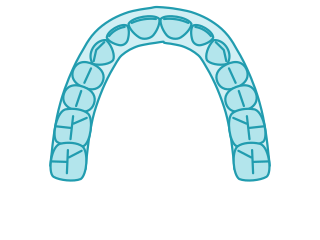
Clear retainer
Thin clear plastic formed over a model of your teeth, covering every tooth. Nearly invisible, and usually ready the day the braces come off. Heat made it, so heat can warp it.
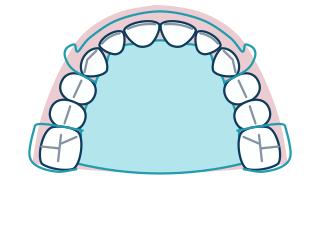
Hawley retainer
The classic: a wire across the front teeth and an acrylic plate behind them. Sturdy, adjustable, and it comes out to brush like the clear kind.
Bonded retainer
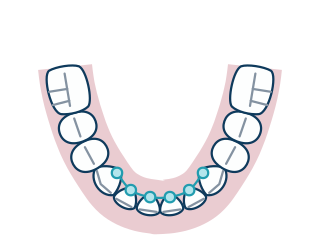
A thin wire glued behind the front teeth, usually the lower ones. It works without anyone remembering it; it needs a floss threader, holds only the teeth it is glued to, and now and then a bond lets go and needs repairing.
How to wear it
Two weeks full time, then every night.
- 1
The first two weeks
Full time: out only to eat, drink and brush.
- 2
Then, every night
Every night, not most nights. In with the toothbrush at bedtime, and it soon stops being something to remember.
- 3
Years later, perhaps fewer
After years of faithful wear Dr. Omerza may taper you to fewer nights. Some people need every night for life, and plenty choose it.
"Typically, a retainer is necessary for a lifetime, though the frequency of wear may decrease over time."
The checks
A check at one month, then once a year. Bring the retainer: we check the fit and look at the teeth, and if something has started to move we catch it while it is small. Most mornings that can happen from 7.
The first year is in the fee, and we keep seeing you after that.
When it feels tight
A retainer that feels tight going in is the teeth telling you they have started to move. Wear it more: for a slight shift, about four extra hours in the evening on top of your nights; if it is very tight, around the clock. And call us either way.
Never force a retainer that will not go in, and stop wearing one that is cracked, sharp or badly bent.
Keeping it clean
- Every day: brush it with toothpaste, or soak it in cold water with a retainer or denture cleaner.
- Never hot: clear retainers are shaped with heat, and hot water will warp them. So will a dishwasher, or a dashboard in July.
- No household cleaners. Nothing you would use on a kitchen counter.
- The hazy build-up: a cloudy, chalky film is tartar from saliva. A vinegar soak softens it.
- Bonded retainers are cleaned where they sit: brush behind them and thread floss under the wire every day.
Lost, cracked or chewed
Call before the teeth notice. Days without a retainer are fine; weeks are not.
We keep the impression or scan from the day your braces came off, so a replacement can be made from it: $150 a retainer, or $175 if we need a new impression. Replacements after the first set are not part of the treatment fee.
Most lost retainers go the same two ways. First, wrapped in a napkin at lunch and thrown away with the tray. Second, the family dog, who finds them irresistible. The case, always, and up out of reach.
Why teeth move back
Relapse is ordinary biology, not anyone's failure. Teeth sit in living bone and keep moving all your life, treated or not; the AAO's consent form says it plainly: "Late in life, most people will see their teeth shift."
The wisdom teeth get the blame, but a 2023 review found no proven link between lower wisdom teeth and crowding of the lower front teeth after treatment. What keeps teeth where braces put them is a retainer, worn.
Dr. Omerza has written about what the old charts show, in his note on retainers for life.
Bonded retainers and flossing
A bonded retainer protects the teeth it is glued to without your thinking about it, and asks one thing back: floss under the wire every day. A floss threader, or floss with a stiff end, slips through beside each tooth; your hygienist will check the bonds at your cleanings.
If a bond lets go or the wire bends, call soon. It may not hurt at all, but the teeth it was holding are free to move. A college student far from her own orthodontist had hers repaired here on short notice; her family's review is on the reviews page.
Sometimes the retainer is the treatment
For a small job, holding teeth where they are or nudging back one that has shifted, a retainer can do the work on its own, at a lower fee than full treatment. If you had braces years ago and one tooth has started to wander, ask; Dr. Omerza will tell you honestly whether a retainer is enough.
I am an older adult and Dr. Omerza did a great job of orthodontic correction work on my teeth. He used a type of adjusting plastic retainer to fix an issue. He explained things really well, and his staff was very nice. I also appreciated that his touch on my teeth was gentle. My outcome was excellent, and I'm very pleased.
Questions
About retainers.
How long do I have to wear a retainer?
For as long as you want straight teeth. Full time for the first two weeks, then every night. After years of faithful wear many people can taper to fewer nights, and Dr. Omerza will tell you when that is safe; some need every night for life. The AAO puts it this way: "Typically, a retainer is necessary for a lifetime, though the frequency of wear may decrease over time."
My retainer feels tight. What should I do?
Wear it more, and call us. Tight means the teeth have started to move. For a slight shift, add about four hours in the evening on top of your nights; if it is very tight, wear it around the clock until we see you. Never force a retainer that will not go in, and stop wearing one that is cracked, sharp or badly bent.
Can I clean it in hot water or the dishwasher?
No. Clear retainers are shaped with heat, and heat will warp them: no hot water, no dishwasher, no dashboard on a summer day. No household cleaners either. Brush it with toothpaste every day, or soak it in cold water with a retainer or denture cleaner; a vinegar soak softens a hazy build-up.
I lost my retainer. What now?
Call us soon: days without a retainer are fine, weeks are not. We keep the impression or scan from the day your braces came off, so a replacement can usually be made from it. If you still have an older retainer that fits, wear it in the meantime.
Is a bonded retainer permanent?
It stays as long as the bonds and the wire hold, often for years, and it works without anyone remembering it. It needs a floss threader to keep clean, and it holds only the teeth it is glued to. If a bond lets go or the wire bends, call: the teeth it was holding are free to move.
Will my wisdom teeth make my teeth crooked again?
Probably not on their own. The AAO consent form notes that teeth may change alignment as wisdom teeth develop, but a 2023 review found no proven connection between lower wisdom teeth and crowding of the lower front teeth after treatment, and no case for removing them to prevent it. Teeth drift with age, wisdom teeth or not, which is what the retainer is for.
Are retainer checks part of the fee?
The first year is: your first set of retainers and the checks at one month and one year come with the treatment fee. We keep seeing you after that.
Can a retainer fix teeth that have moved?
A little, sometimes. A retainer that still fits can hold teeth, or bring back a slight shift if you wear it more: the tight-retainer rule at work. If teeth have moved further than that, a short course of aligners or braces may be the answer, at a lower fee than full treatment. Dr. Omerza will look and tell you.
Lost it, cracked it, or it feels tight?
Call the Lorain office before the teeth notice. Days are fine; weeks are not.
Office hours
| Monday | 7:30 am – 5 pm |
|---|---|
| Tuesday – Thursday | 7 am – 4:30 pm |
| Friday | 7 am – 12 pm |
| Saturday – Sunday | Closed |
1740 Cooper Foster Park Rd W, Lorain. Free parking at the door.